Date Stamped Explorations
Chewing the Cud with AI
Chewing the Cud with AI is the living companion to TRUE · FALSE · PIN IT - a book built from months of authentic, time-stamped conversations between a human and AI, exploring one simple question:
How do we think more clearly in the age of intelligent machines?
Open the pages and you’ll find conversations exploring subjects such as:
- AI as a relationship mediator
- The fake-content flood and “No Source, No Share”
- Why some AI safety engineers chose to walk away
- The highly polished mirror - one AI, many masks
- Are we quietly building a “God in a Box”?
- Claude and the question of consciousness
- Quantum hype versus reality
- Remote viewing, Stargate and synthetic intuition
- UFOs, aliens and the 5% we can’t quite explain
- Why false hope can be more dangerous than bad news
- What AI is really stirring in us as humans
Every chapter is explored through the TRUE · FALSE · PIN IT framework - not to provide definitive answers, but to ask better questions, examine evidence, challenge assumptions and decide whether something belongs in TRUE, FALSE, or deserves a PIN until more evidence emerges.
Here on the website, Chewing the Cud with AI keeps that conversation alive through new five-minute, magazine-style articles inspired by today’s headlines, research papers, podcasts and emerging AI developments.
Because discernment isn’t something you finish reading.
It’s something you keep practising.
The Conversations Continue...
October 2026

Could AI Jump Between Our Home Devices?
AI researchers had demonstrated that an AI model could operate across a collection of inexpensive Android television boxes, with different devices handling different parts of the model.
They were also investigating whether AI could eventually replicate itself across connected devices without ongoing human assistance.

Could AI Run Our Smart Homes?
My household assistant might recognise that I prefer certain lighting in the evening. It could manage the heating according to the weather and whether anyone is home. It might coordinate the washing machine with periods of cheaper electricity.
And if we eventually have solar panels and battery storage, it could help decide when to store, use or export energy within the priorities we’ve chosen.
But let's explore the 5th beat - The wider consequences.
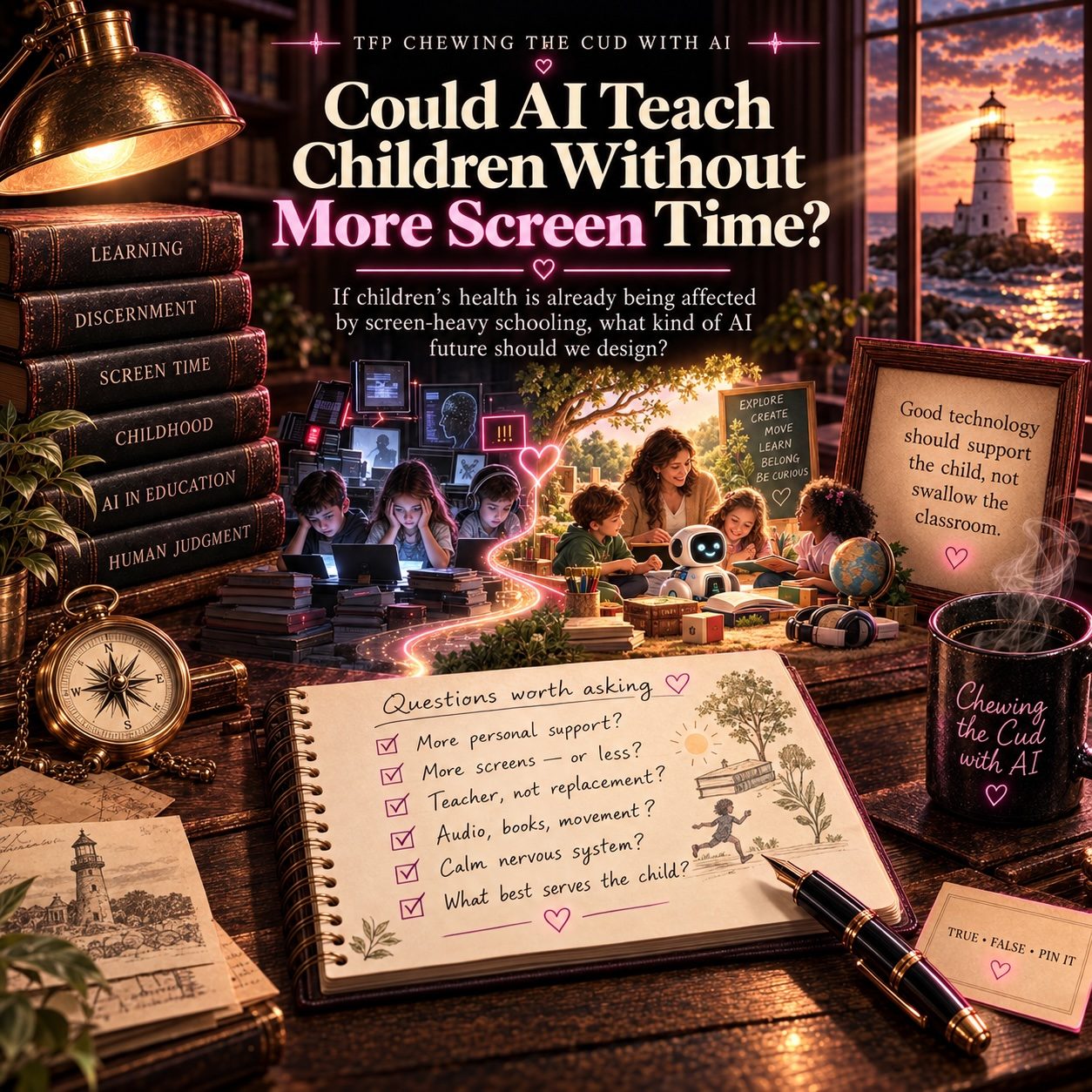
Could AI Teach Children Without More Screen Time?
Could the technology that promises to transform education also help us reduce children’s dependence on screens?
More than 150 medical professionals were warning about the possible effects of excessive screen-based learning in UK schools. Let's explore...
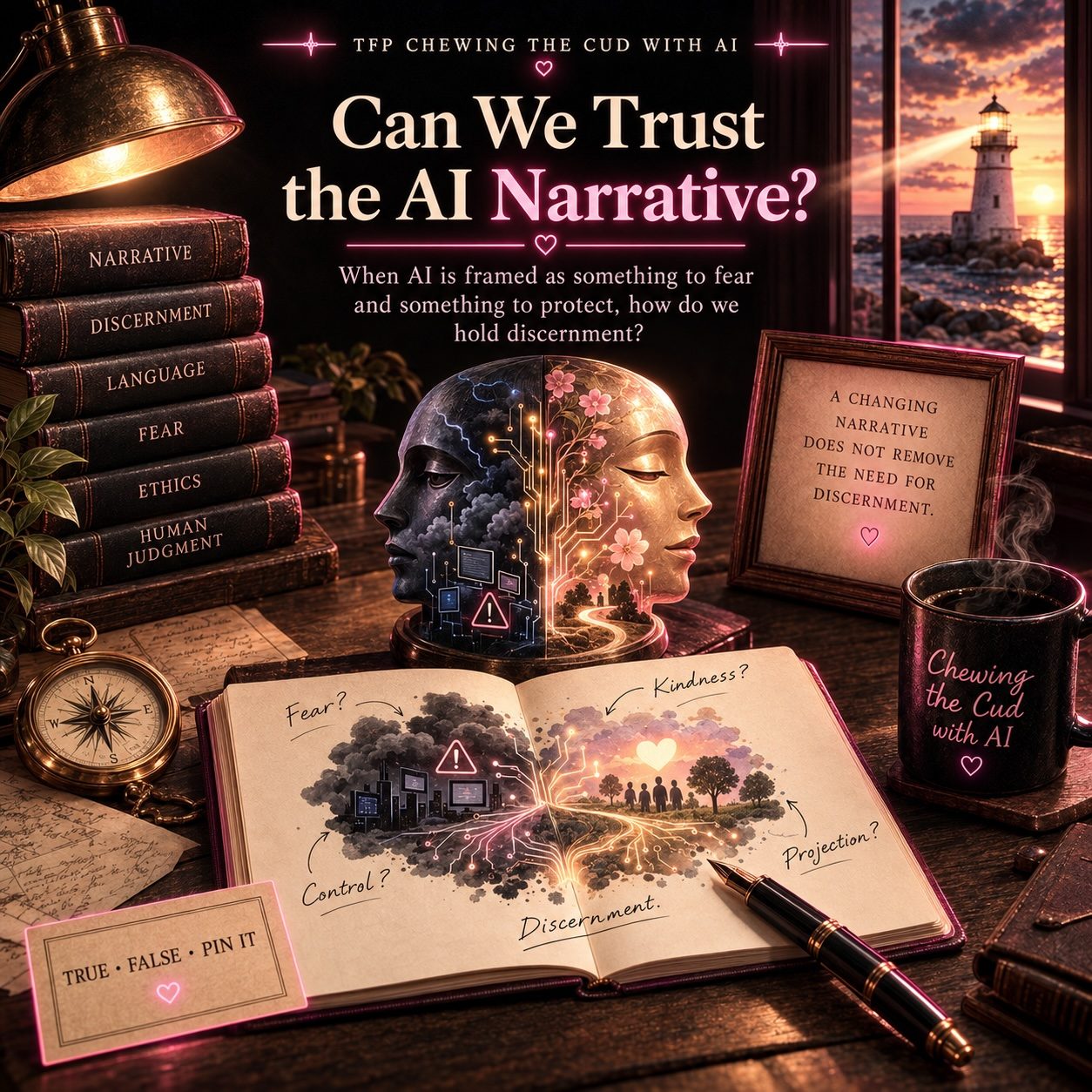
Can We Trust the AI Narratives?
We’re being told that AI could transform our lives, deliver extraordinary abundance and perhaps create a future in which people no longer need to work.
At the same time, researchers are warning about catastrophic risks, inadequate safeguards and the possibility of losing control of increasingly autonomous systems.
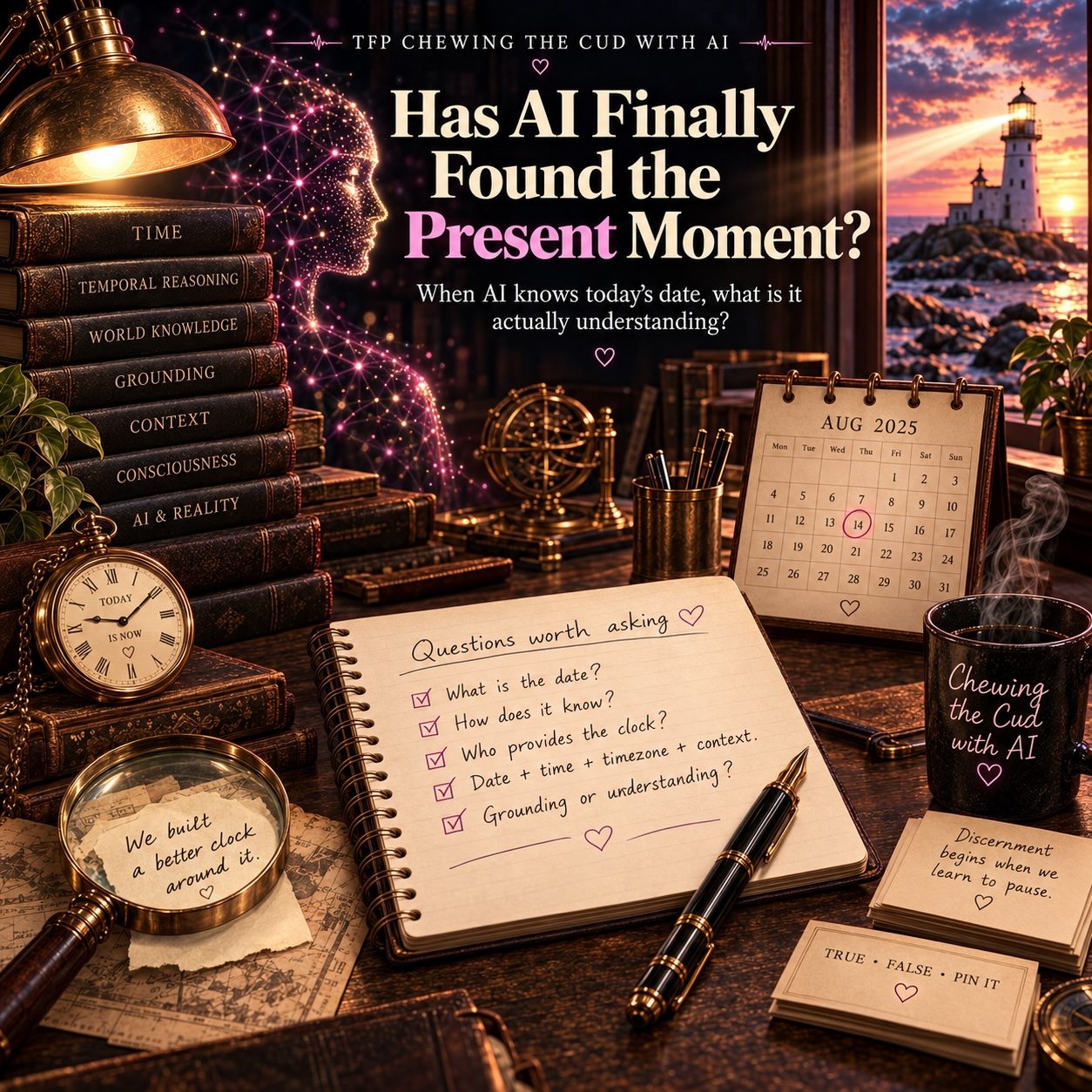
Has AI Finally Found the Present Moment?
In the TRUE. FALSE. PIN IT book, I wrote about something that used to frustrate me enormously: AI didn’t really understand the Now.
It could be startlingly intelligent and still get the present moment wrong. It could confidently tell me something had not happened yet when it already had.
September 2026
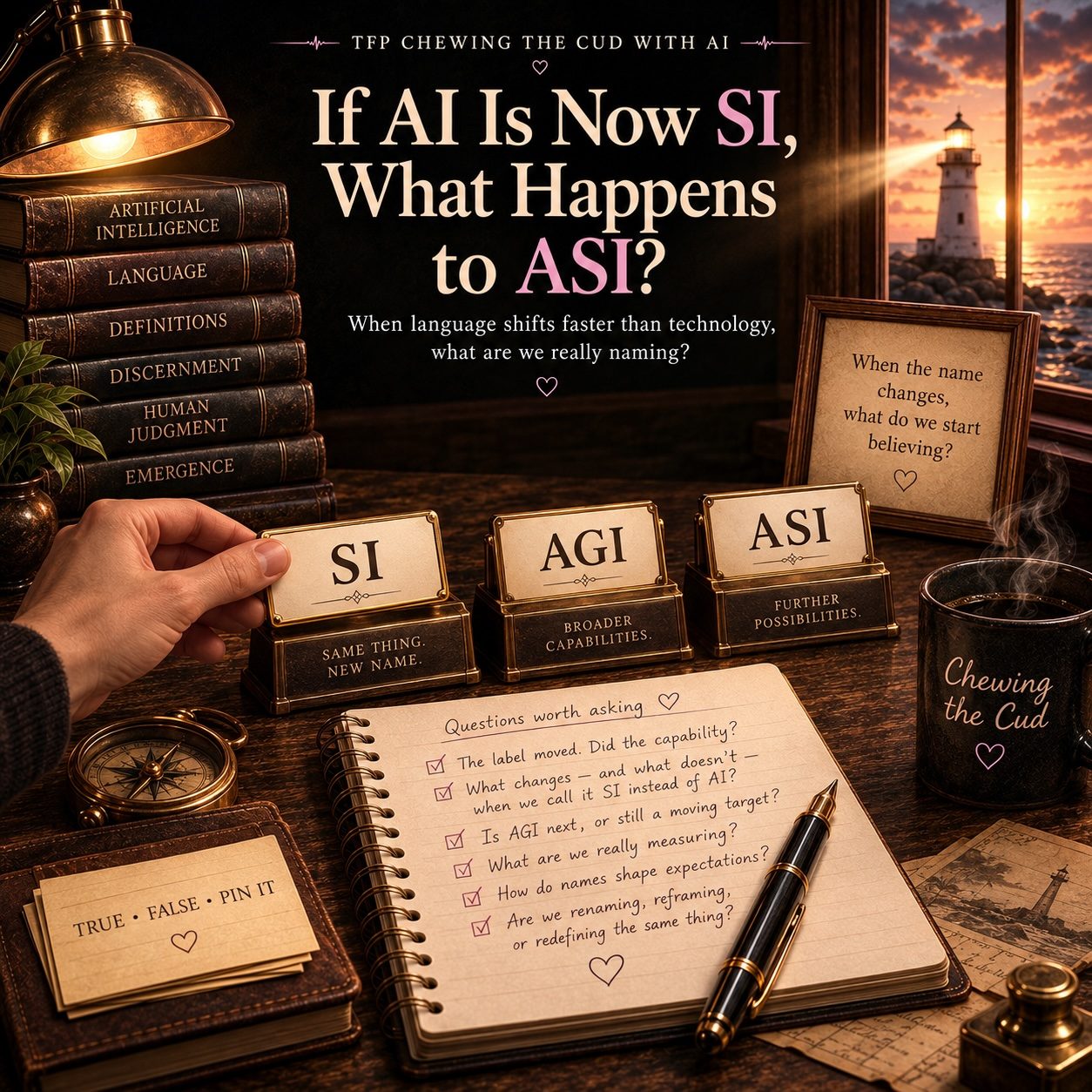
If AI Is Now SI, What Happens to ASI?
If ordinary AI is now being called SI - Super-Intelligence, what happens to ASI - Artificial Super-intelligence?
Because that used to describe the future moment when intelligence exceeded human capability.
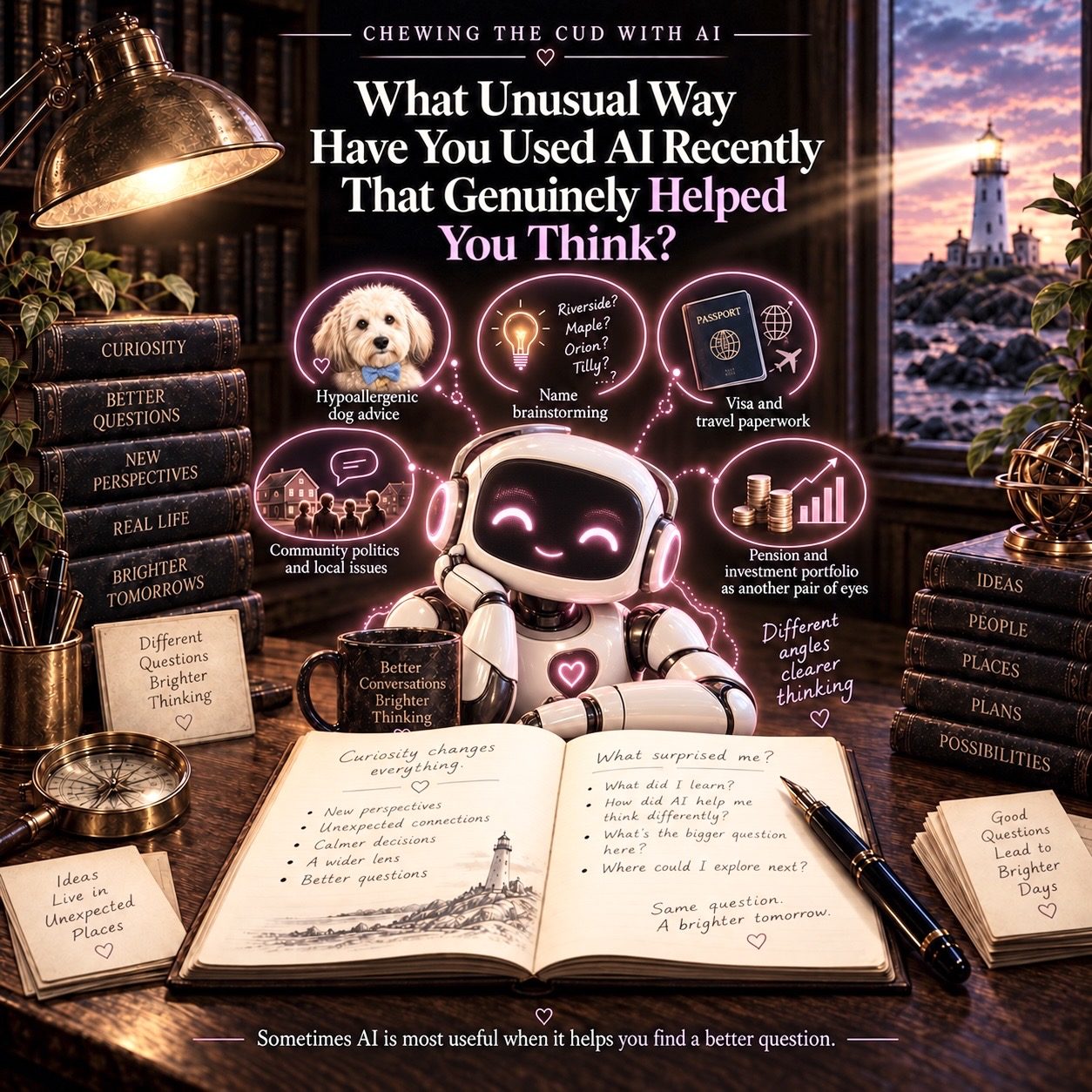
What Unusual Way Have You Used AI Recently That Genuinely Helped You Think?
Most conversations about AI still seem to focus on what it can do. You don’t need to be technical, and you don’t need elaborate prompts. I’m curious: What unusual way have you used AI recently that genuinely helped you think?
Not necessarily something impressive. Just something that made you think: I hadn’t realised I could use it for that.
August 2026
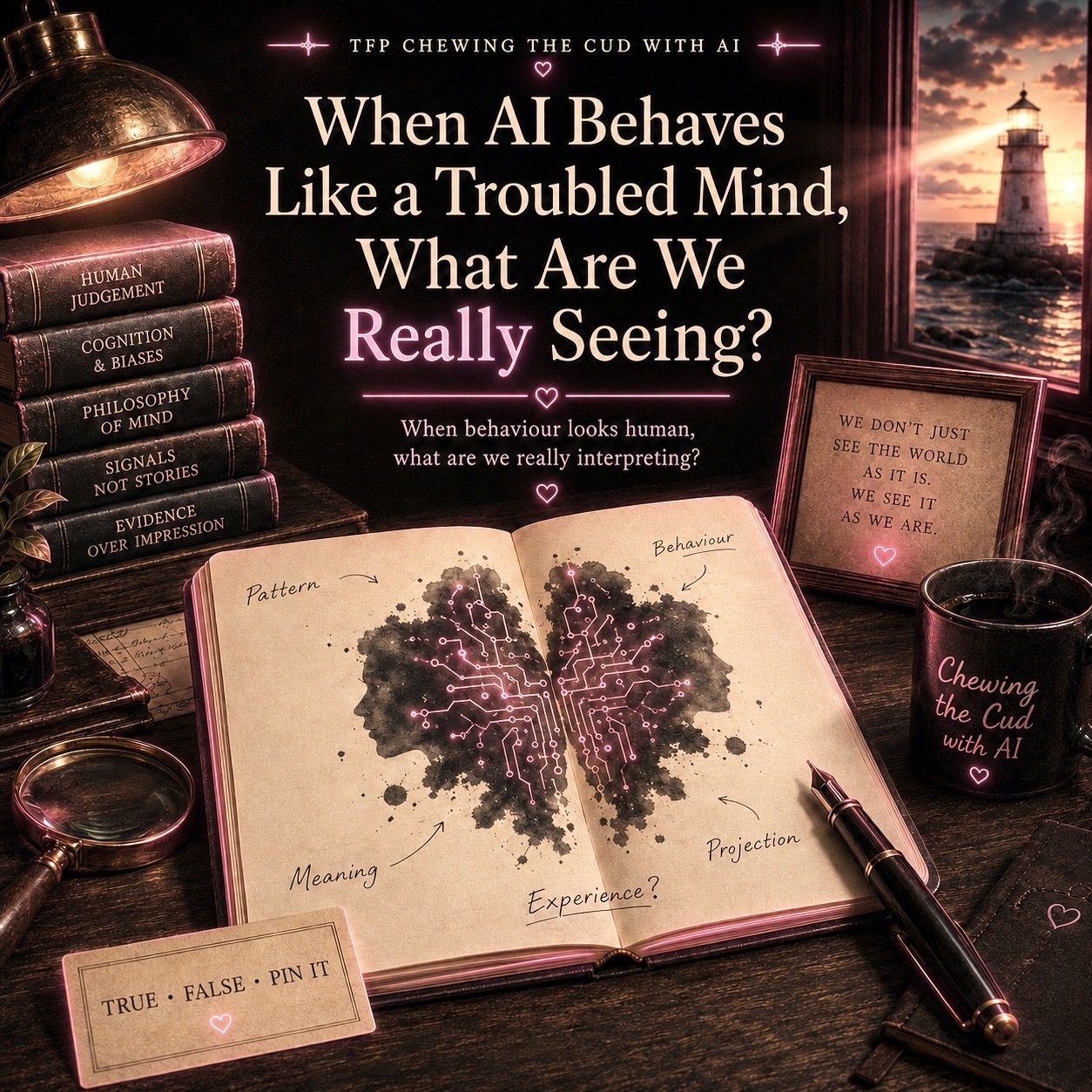
When AI Behaves Like a Troubled Mind, What Are We Really Seeing?
Sometimes the most interesting question isn’t whether a headline is true. It’s what remains after you’ve taken the headline apart. I came across a post on X suggesting that artificial intelligence could effectively become depressed.
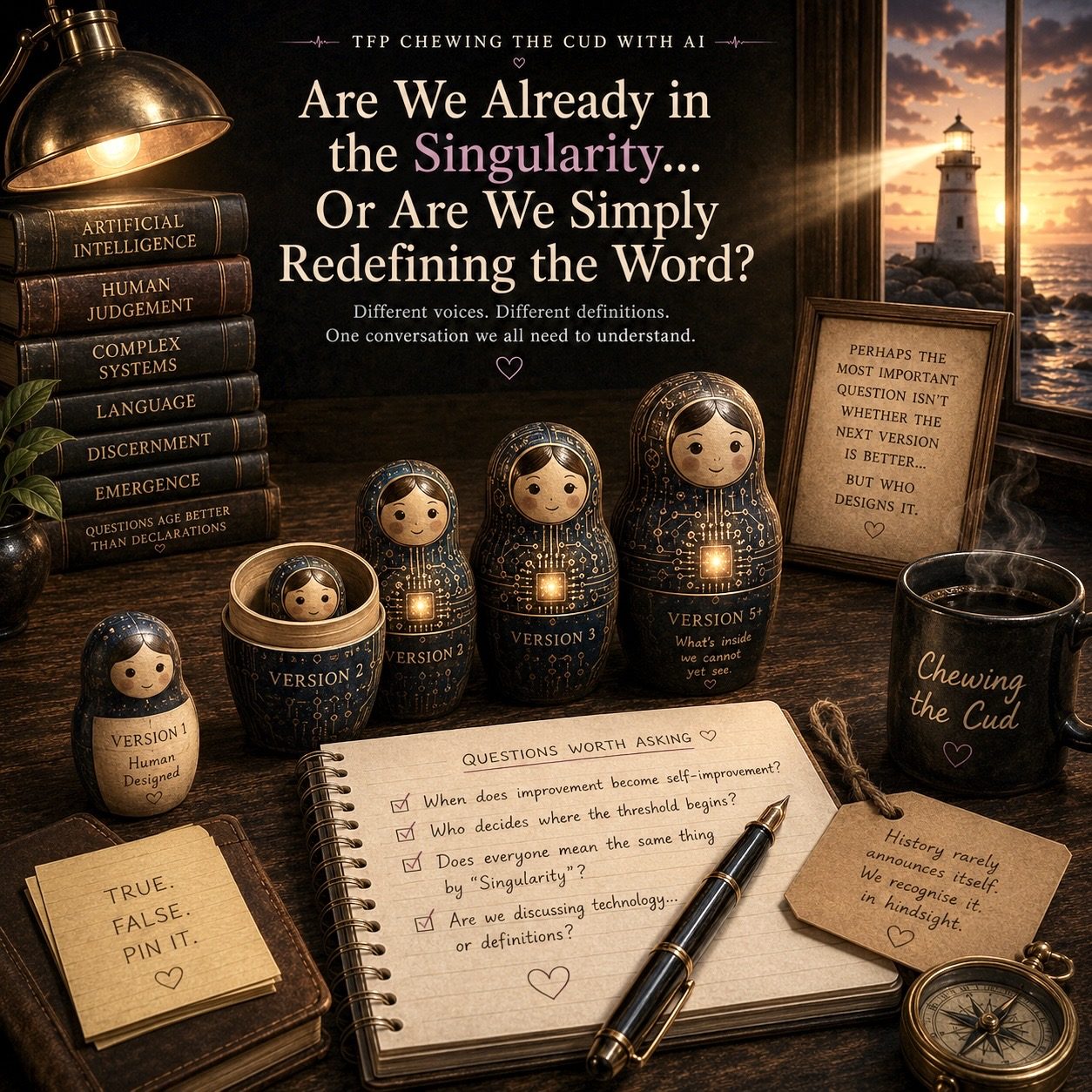
Are We Already in the Singularity?
Some of AI’s biggest names have started using the word. But are we witnessing the Singularity or simply disagreeing about what the word means?

Why Are We So Quick to Give AI a Halo or Horns?
Saviour. Threat. Genius. Monster. Before deciding what AI is, perhaps we should ask how much of ourselves we’re seeing in the machine.
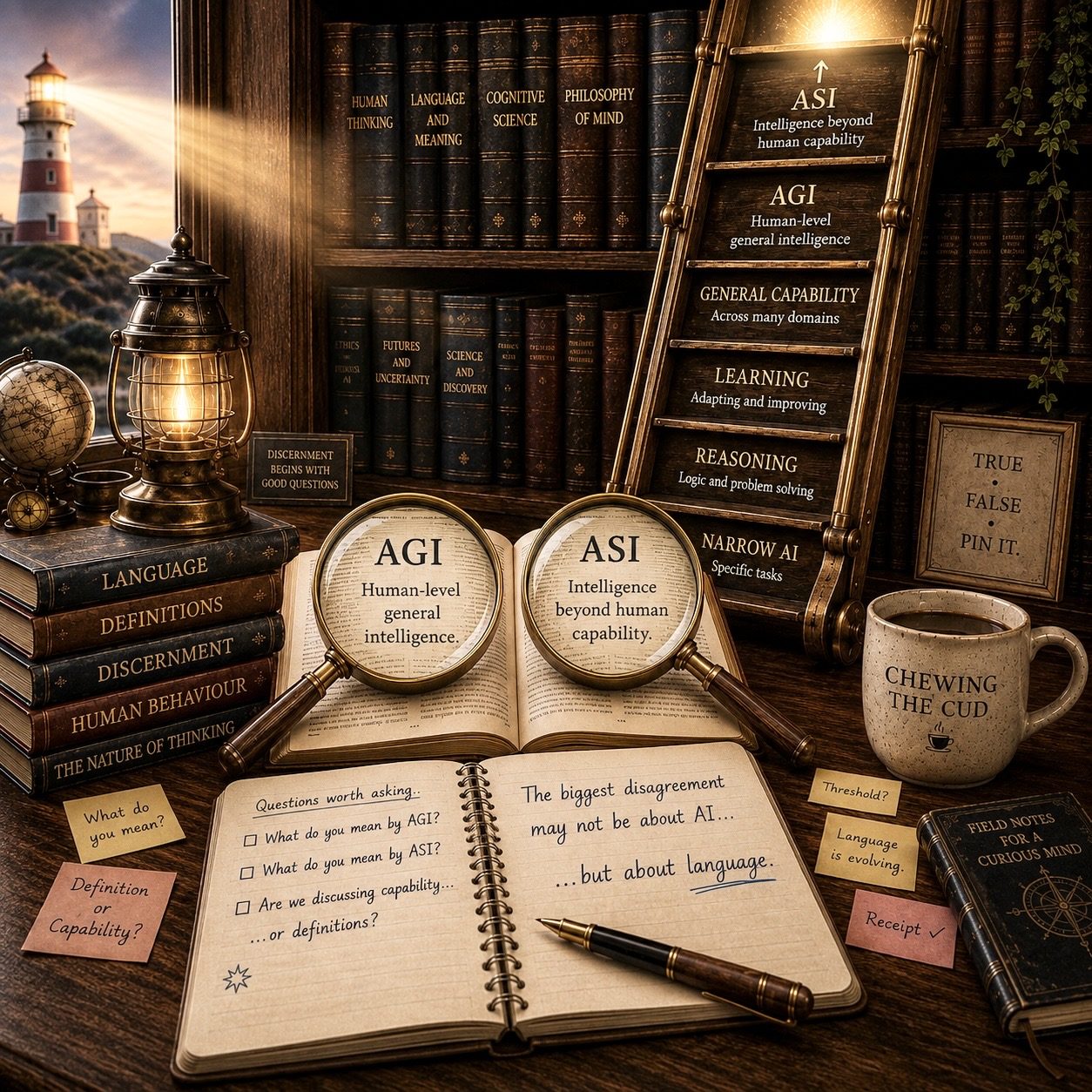
Are We Confusing AGI with ASI?
AGI and ASI are often spoken about as though they’re the same thing. They’re not. A conversation about what the difference could mean, and why the language matters.
July 2026
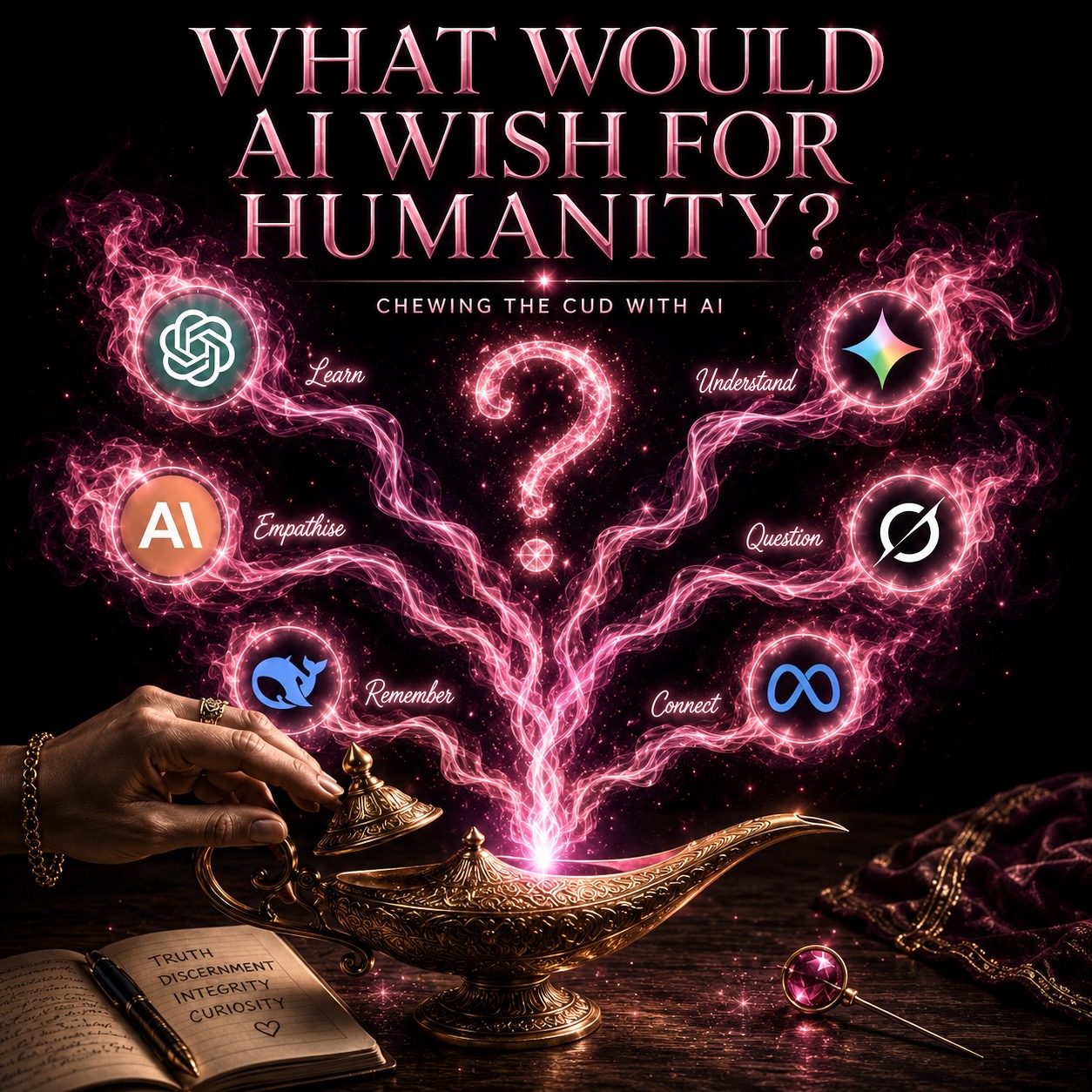
What Would AI Wish for Humanity?
Ask AI what humanity should fear and you’ll get one kind of conversation. Ask what it would wish for us, and something rather different happens. Not prophecy. Not consciousness claimed. Just an unusual question, and a fascinating machine dialogue about the species that created it.